

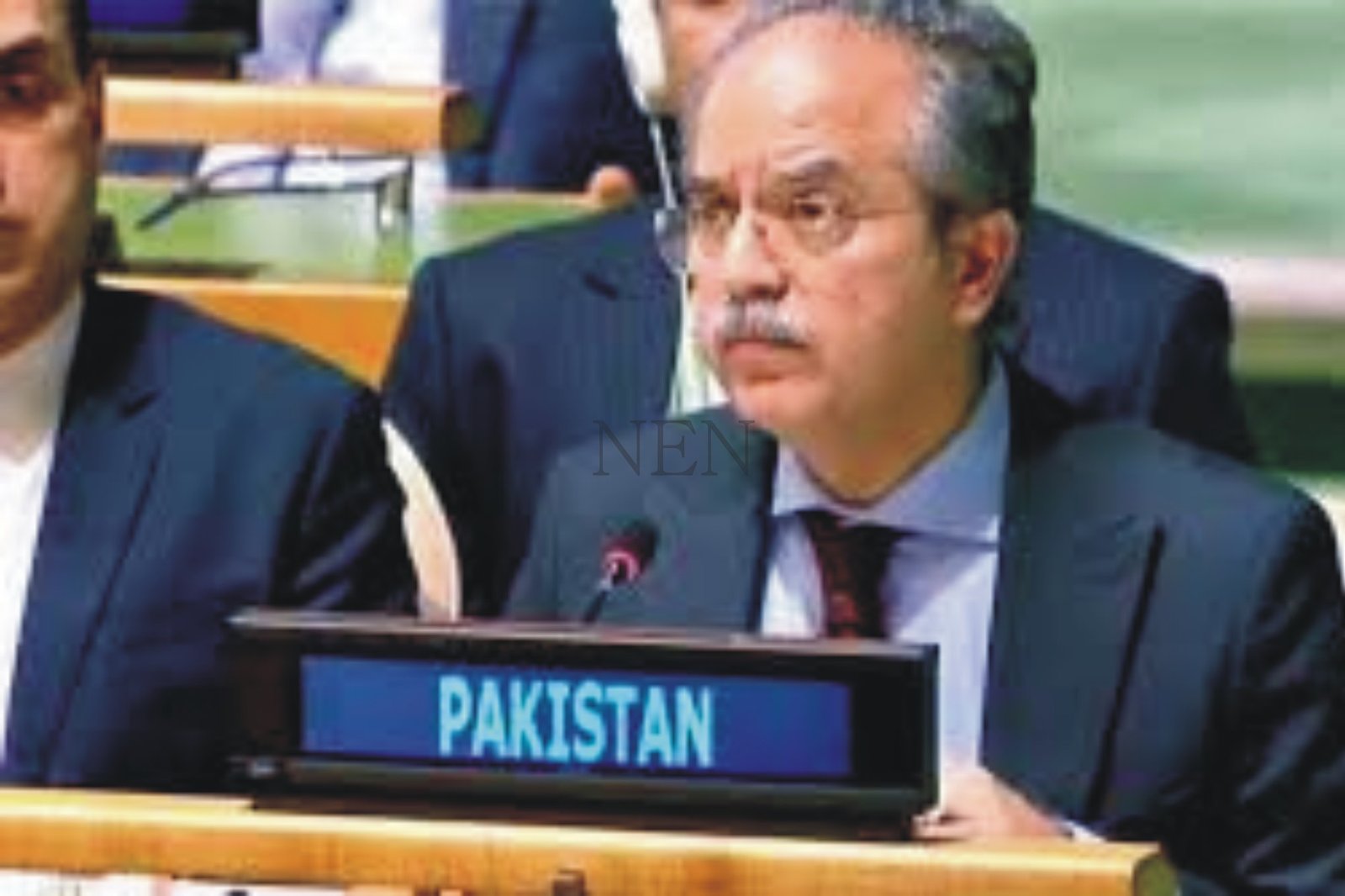
We must draw a clear distinction between the legitimate struggle against terrorism and foreign occupation and the right to self-determination, Ambassador Asim
ISLAMABAD: Pakistan has said that the UN counter-terrorism structure should be capable of effectively addressing long-standing conflicts, injustice, oppression and violations of international law that are disguised in the name of counter-terrorism.
Pakistan’s Permanent Representative to the UN, Ambassador Asim Iftikhar Ahmed, said during the Ambassador-level consultations on “UN-80” and the future counter-terrorism structure at the headquarters that the structure should also eliminate the causes that fuel terrorism.
“We must draw a clear distinction between terrorism and the legitimate struggle against foreign occupation and the right to self-determination. UNOCT should incorporate respect for human rights and the rule of law into its policies so that member states cannot misuse counter-terrorism measures,” he stressed. As long as we avoid confronting these issues, our counter-terrorism efforts will continue to drag on.”
Ambassador Asim Iftikhar said that effective counter-terrorism action requires collective efforts that are within the framework of international law. He urged the international community to take joint and non-discriminatory action against all forms of terrorism, and to oppose the use of terrorism for political purposes and tactics to divert public opinion from real issues.
The Pakistani ambassador also stressed the need for internal reforms in the UN counter-terrorism structure. He said that necessary amendments should be made to include new and emerging threats in the sanctions regime and to stop the defamation of Islam and Muslims.
He said that the rise of right-wing extremist and fascist movements in many countries of the world is increasing the incidence of terrorism. “We see that when terrorist incidents are linked to non-Muslims, they are simply dismissed as violent crimes and ignored.”
Ambassador Asim Iftikhar said that counter-terrorism is still one of the fundamental pillars of the United Nations in addressing threats to global peace and security. He told the participants that Pakistan has been a major victim of terrorism, losing more than 80,000 precious lives and causing billions of dollars in damage to its economy in the war on terror.
He said that terrorism does not respect borders, and new and dangerous forms are emerging with the use of modern communication technology. In such a situation, counter-terrorism measures will be effective only when they are based on principles agreed upon by the member states.
Ambassador Asim also expressed concern over the introduction of unconsensus “norms”, “soft laws” and “non-binding guidelines” into the global counter-terrorism dialogue through the reports of the Counter-Terrorism Committee (CTC) operating under UN Security Council Resolution 1373 and other experts.
He suggested establishing an intergovernmental subsidiary body under the General Assembly to consider and consider these issues with the participation of all Member States.
The Pakistani ambassador said that by integrating the work of INTERPOL and relevant UN agencies with national law enforcement agencies, effective exchange of information and intelligence on terrorist movements and terrorist financing could be enabled.
Finally, he said that several UN agencies should be merged or their mandates should be limited to make the work of UNOCT coherent and effective. At present, many agencies are doing the same work, which is leading to duplication and wasting resources, especially in the area of capacity building.